

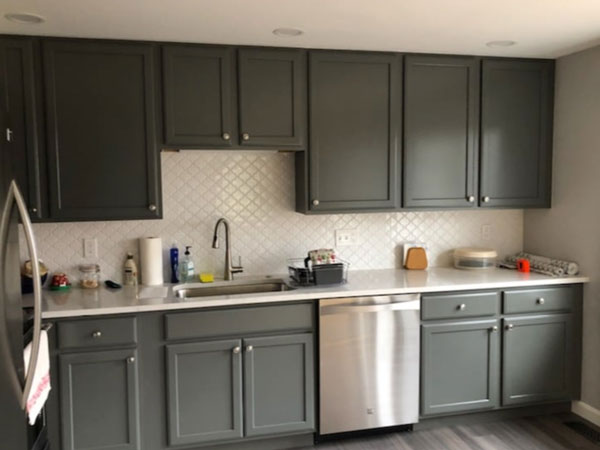
A kitchen remodel is one of the biggest investments a homeowner will make, and cabinetry is often where the bulk of that budget goes. Cabinets aren't just storage — they set the tone for the entire room, influence resale value, and need to hold up to decades of daily use. Whether you're starting from scratch or refreshing an existing layout, understanding your cabinetry options up front will help you avoid costly changes mid-project.
Assess Your Layout Before Choosing Style
Before browsing door styles and finishes, take a hard look at your kitchen's workflow. Where does food prep happen? How much storage do you actually need? Is there room for an island? A well-planned layout maximizes both function and flow, and it should always come before aesthetic decisions. A good remodel starts with practical questions, not just Pinterest boards.
Stock, Semi-Custom, or Custom: Know the Difference
Cabinetry generally falls into three categories. Stock cabinets are pre-manufactured in standard sizes and offer the most budget-friendly option, ideal for straightforward layouts. Semi-custom cabinets allow for some modification in size, finish, and storage features, striking a balance between cost and flexibility. Custom cabinetry is built to your exact specifications — perfect for unusual layouts or homeowners who want every inch optimized, though it comes at a higher price point and longer lead time.
Material and Finish Matter Long-Term
Solid wood cabinetry offers timeless durability and the ability to be refinished over time, while engineered wood products like plywood or MDF can offer more consistency and resistance to warping, often at a lower cost. Finishes range from classic stained wood to painted and even matte or high-gloss modern options. Choosing a finish that complements your home's overall style — rather than chasing a passing trend — helps ensure your kitchen still feels current a decade from now.
Storage Features That Actually Get Used
Modern cabinetry offers a range of built-in organizational features: pull-out drawers, lazy susans, built-in trash and recycling bins, vertical dividers for baking sheets, and soft-close hinges. These upgrades aren't just conveniences — they're what separates a kitchen that feels effortless from one that feels cluttered. When planning your remodel, prioritize the storage features that match how you actually cook and live, not just what looks good in a showroom.
Coordinating Cabinetry With Countertops and Flooring
Cabinets don't exist in isolation. The best kitchen designs coordinate cabinetry finish with countertop material and flooring tone to create a cohesive look throughout the space. Working with a single provider for all three elements — rather than sourcing separately — often results in better design continuity and fewer scheduling headaches during installation.
Budgeting Realistically
Cabinetry costs can vary dramatically based on material, size, and customization level. It's wise to get a detailed quote that breaks down cabinet boxes, doors, hardware, and installation labor separately, so you understand exactly where your money is going and where there's room to adjust if needed.
Final Thoughts
A successful kitchen remodel comes down to thoughtful planning: the right layout, the right cabinet category for your budget, and finishes that will feel timeless rather than trendy. Taking the time to plan properly up front pays off every single day you use your kitchen.
To see examples of our cabinetry work and learn more about our design process, visit our About Us page. When you're ready to start planning your remodel, stop by the showroom closest to you — find directions and hours on our location page.


